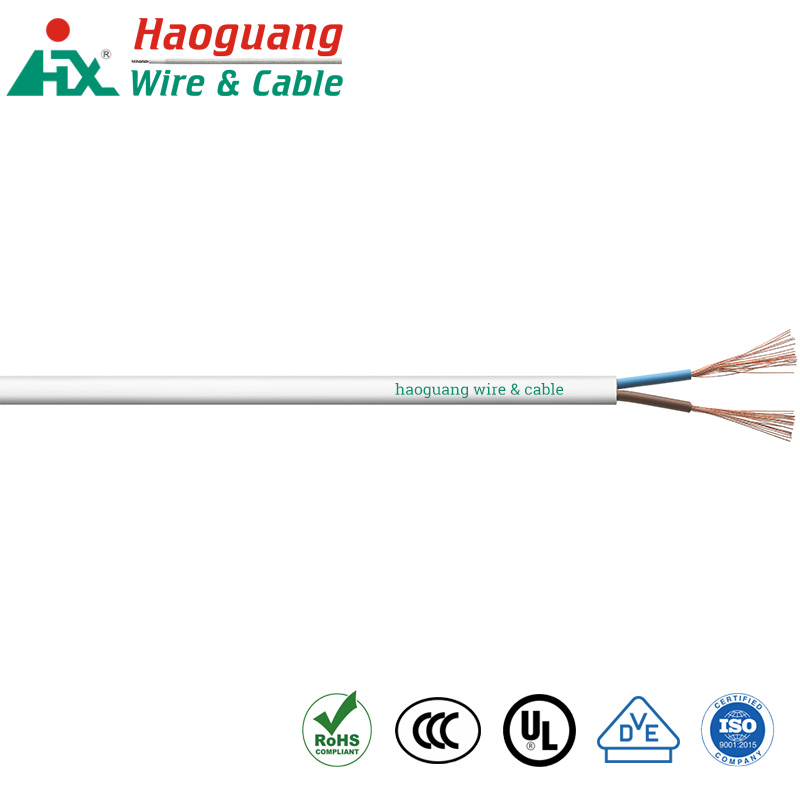
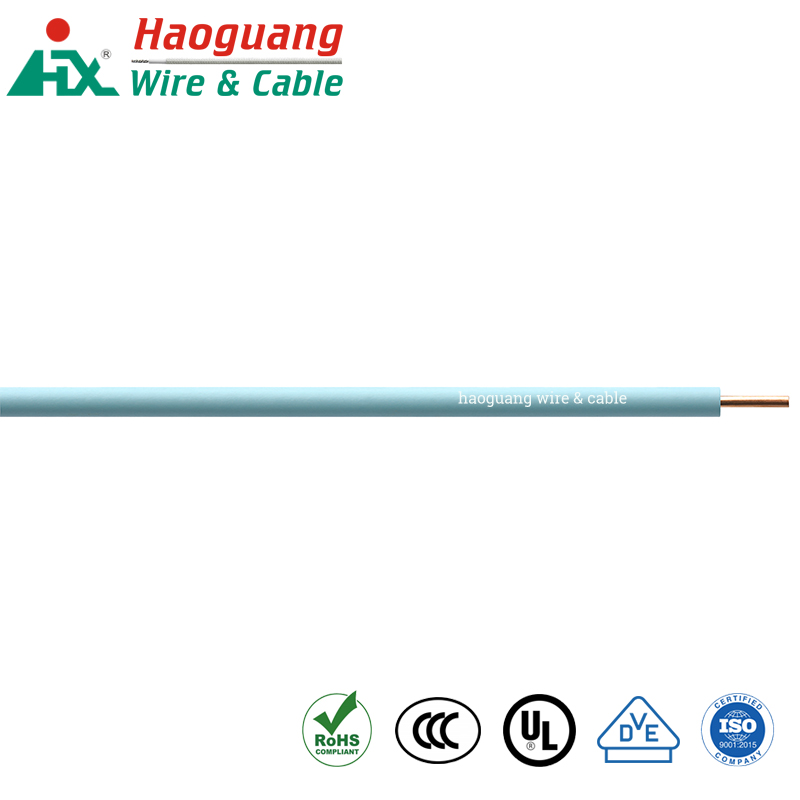
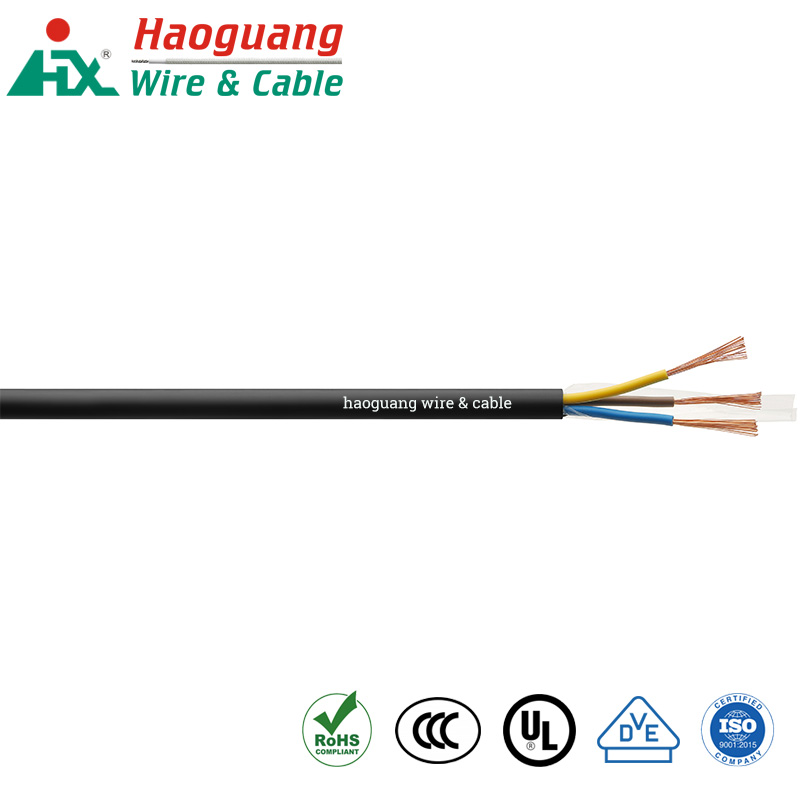
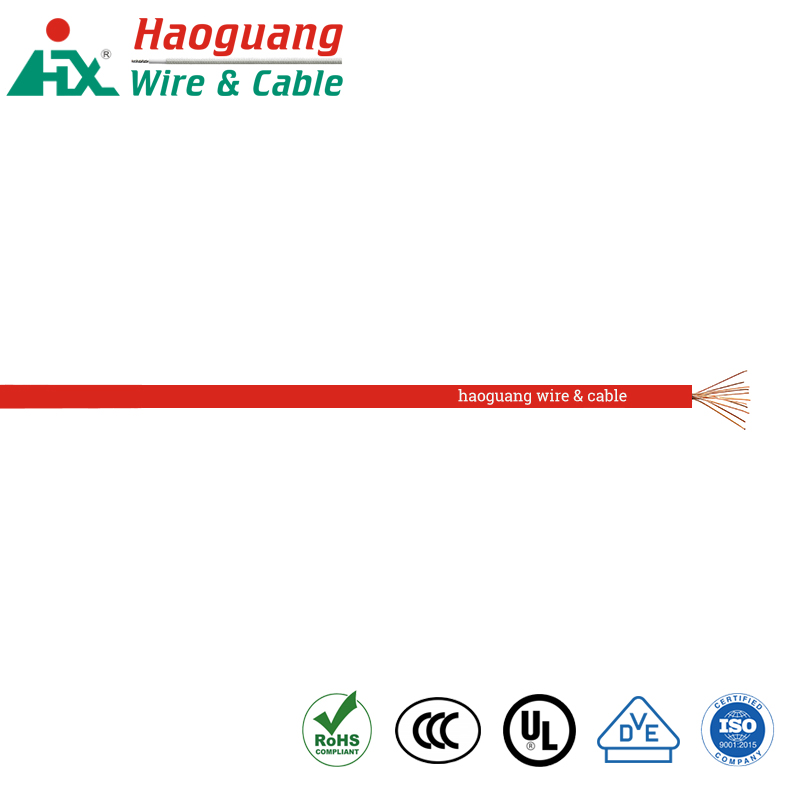
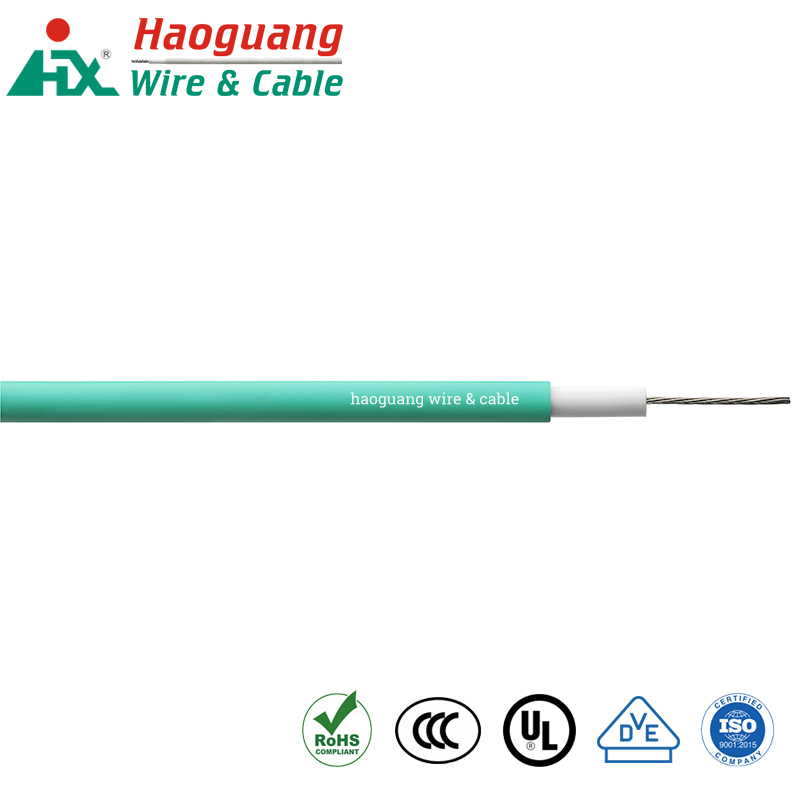
UL 3239 High Voltage Silicone Rubber Single Core Cable is widely used in high-temperature, high-voltage, and demanding electrical environments.
Its excellent insulation performance, flexibility, flame resistance, and long service life make it suitable for industrial machinery,
household appliances, power supplies, electric vehicles, medical equipment, and renewable energy systems.
This article explains the structure, specifications, applications, advantages, installation considerations, maintenance tips, and buying guide
for UL 3239 silicone rubber cables. Whether you are an engineer, procurement manager, equipment manufacturer, or electrical contractor,
this guide helps you understand why this cable is trusted in critical electrical systems.
1. Introduction to UL 3239 Cable
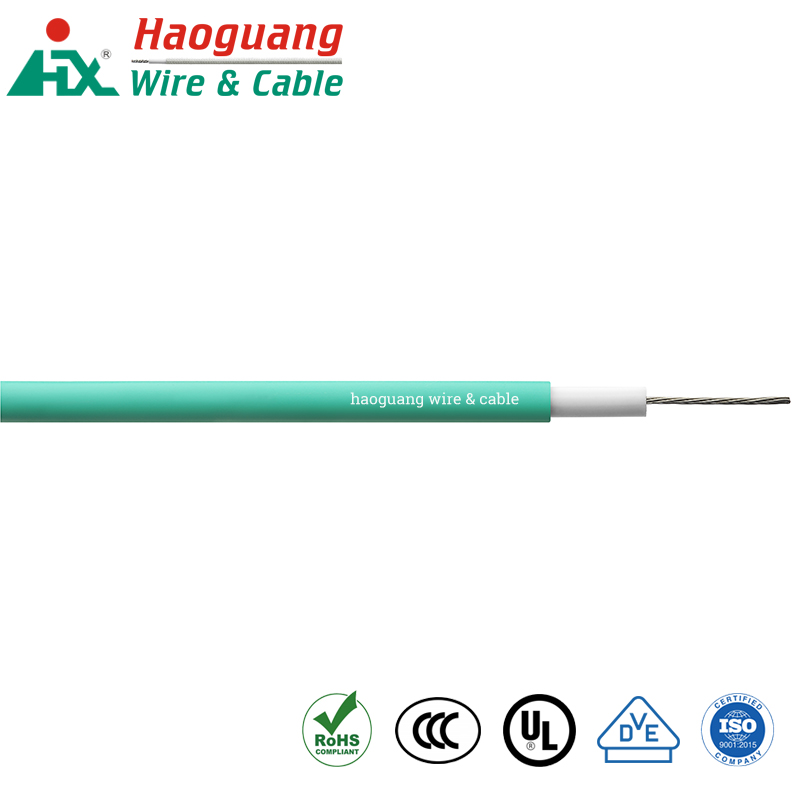
UL 3239 High Voltage Silicone Rubber Single Core Cable is a specialized electrical cable designed for environments requiring excellent
electrical insulation, heat resistance, flexibility, and long-term reliability. It is commonly used in applications where standard PVC cables
cannot withstand extreme temperatures or high-voltage conditions.
The cable is manufactured with silicone rubber insulation and usually features a tinned copper conductor. The combination of these materials
ensures superior electrical performance while maintaining flexibility even in harsh conditions.
In industries such as electronics, automotive manufacturing, renewable energy, medical devices, and industrial automation, UL 3239 cable
has become a preferred solution because of its durability and operational safety.
2. Structure and Materials
Understanding the construction of UL 3239 cable helps users choose the appropriate specification for their equipment and systems.
|
Component
|
Material
|
Function
|
|
Conductor
|
Tinned Copper
|
Provides excellent conductivity and corrosion resistance
|
|
Insulation
|
Silicone Rubber
|
Offers high-temperature and high-voltage protection
|
|
Outer Layer
|
Heat-resistant Silicone
|
Improves flexibility and environmental resistance
|
Silicone rubber insulation is one of the most important elements of UL 3239 cable because it maintains flexibility and insulation performance
under high thermal stress.
3. Main Features and Advantages
UL 3239 cable is widely selected because it solves many common electrical problems found in harsh environments.
-
Excellent high-voltage insulation performance
-
Outstanding flexibility even at low temperatures
-
Resistance to heat, ozone, moisture, and aging
-
Long service life under continuous operation
-
Strong flame-retardant properties
-
Compact and lightweight structure
-
Easy routing and installation in confined spaces
Traditional cables often become brittle after prolonged exposure to heat. Silicone rubber cables maintain elasticity, reducing the risk of
cracking and insulation failure.
Key Benefit: UL 3239 cable performs reliably in temperatures ranging from -60°C to +200°C, making it ideal for demanding industrial environments.
4. Common Applications
UL 3239 High Voltage Silicone Rubber Single Core Cable is used across multiple industries due to its exceptional reliability.
|
Industry
|
Typical Application
|
|
Electronics
|
Internal wiring for power supplies and transformers
|
|
Automotive
|
Electric vehicle battery systems and engine compartments
|
|
Medical Equipment
|
High-temperature electrical connections
|
|
Industrial Machinery
|
Automation equipment and robotic systems
|
|
Renewable Energy
|
Solar inverters and energy storage systems
|
Modern electrical equipment increasingly operates under higher voltages and temperatures, making silicone rubber insulated cables an important
component in system reliability and safety.
5. Temperature and Voltage Resistance
One of the most critical advantages of UL 3239 cable is its ability to operate safely under extreme temperature and voltage conditions.
|
Performance Factor
|
Capability
|
|
Rated Voltage
|
Typically up to 3KV to 40KV
|
|
Temperature Range
|
-60°C to +200°C
|
|
Flame Resistance
|
Excellent
|
|
Flexibility
|
Very High
|
Silicone rubber insulation minimizes insulation degradation caused by thermal stress. This significantly reduces downtime and maintenance costs.
6. Comparison with Traditional Cables
Choosing between silicone rubber cable and conventional PVC cable depends on operating conditions and safety requirements.
|
Feature
|
UL 3239 Silicone Cable
|
Standard PVC Cable
|
|
Heat Resistance
|
Excellent
|
Moderate
|
|
Flexibility
|
Very Flexible
|
Limited
|
|
Service Life
|
Long
|
Shorter under heat exposure
|
|
Voltage Resistance
|
High
|
Medium
|
7. How to Select the Right UL 3239 Cable
Selecting the appropriate cable specification is important for performance, efficiency, and safety.
Buyers should evaluate the following factors before purchasing:
-
Operating voltage requirements
-
Current carrying capacity
-
Installation environment
-
Temperature exposure
-
Flexibility requirements
-
Certification standards
-
Conductor size and insulation thickness
Choosing an undersized cable may cause overheating, while oversized cables increase unnecessary costs and installation complexity.
8. Installation Best Practices
Proper installation significantly affects cable lifespan and operational reliability.
-
Avoid excessive bending beyond the recommended radius.
-
Protect cables from sharp mechanical damage.
-
Use suitable terminals and connectors.
-
Ensure correct voltage matching.
-
Prevent exposure to incompatible chemicals.
-
Inspect insulation integrity before energizing.
Improper installation can shorten cable lifespan and increase the risk of insulation breakdown.
9. Maintenance and Inspection
Although silicone rubber cables require relatively low maintenance, periodic inspection helps ensure continuous safe operation.
-
Check for insulation cracking or discoloration
-
Inspect terminals for corrosion
-
Verify insulation resistance regularly
-
Monitor cable temperature during operation
-
Replace damaged sections immediately
Preventive maintenance reduces the possibility of unexpected equipment failures and costly downtime.
10. Importance of UL Certification
UL certification indicates that the cable has undergone rigorous testing for electrical safety and performance standards.
Certified cables provide users with greater confidence regarding:
-
Electrical insulation reliability
-
Heat resistance performance
-
Material quality consistency
-
Compliance with international standards
-
Operational safety in critical systems
Using certified cables can also simplify equipment approval processes in global markets.
11. Future Industry Trends
The demand for high-performance silicone rubber cables continues to grow due to advancements in electric vehicles, renewable energy systems,
automation technology, and smart manufacturing.
Future cable technologies are expected to focus on:
-
Higher voltage resistance
-
Improved flame retardancy
-
Smaller and lighter cable structures
-
Enhanced environmental sustainability
-
Longer operational lifespan
As equipment becomes more compact and energy-efficient, high-quality silicone rubber cables will play an even more important role in electrical infrastructure.
12. Frequently Asked Questions
Q1: What does UL 3239 mean?
UL 3239 refers to a specific UL-recognized cable style designed for high-voltage applications using silicone rubber insulation.
Q2: What temperature can UL 3239 cable withstand?
Most UL 3239 silicone rubber cables can operate continuously between -60°C and +200°C.
Q3: Is silicone rubber cable flexible?
Yes. Silicone rubber insulation provides exceptional flexibility, making installation easier in confined spaces.
Q4: Can UL 3239 cable be used outdoors?
Yes. Silicone rubber offers excellent resistance to ozone, moisture, and environmental aging.
Q5: Why is tinned copper used?
Tinned copper improves corrosion resistance and enhances long-term electrical reliability.
13. Conclusion
UL 3239 High Voltage Silicone Rubber Single Core Cable has become an essential solution for modern electrical systems requiring durability,
flexibility, and high-voltage insulation performance. Its excellent thermal stability and long service life make it suitable for industries
where reliability is critical.
From industrial automation to renewable energy systems, silicone rubber insulated cables continue to support safer and more efficient electrical operations.
Xiangshan Haoguang Electric Wire & Cable Co.,Ltd. specializes in high-quality silicone rubber cables designed for demanding industrial and electronic applications.
Contact us today to get professional support, customized cable solutions, competitive pricing, and fast delivery for your next project.