In today’s fast-evolving electrical and industrial environments, cable selection is no longer a simple technical decision—it directly impacts safety, efficiency, operational stability, and long-term maintenance costs.
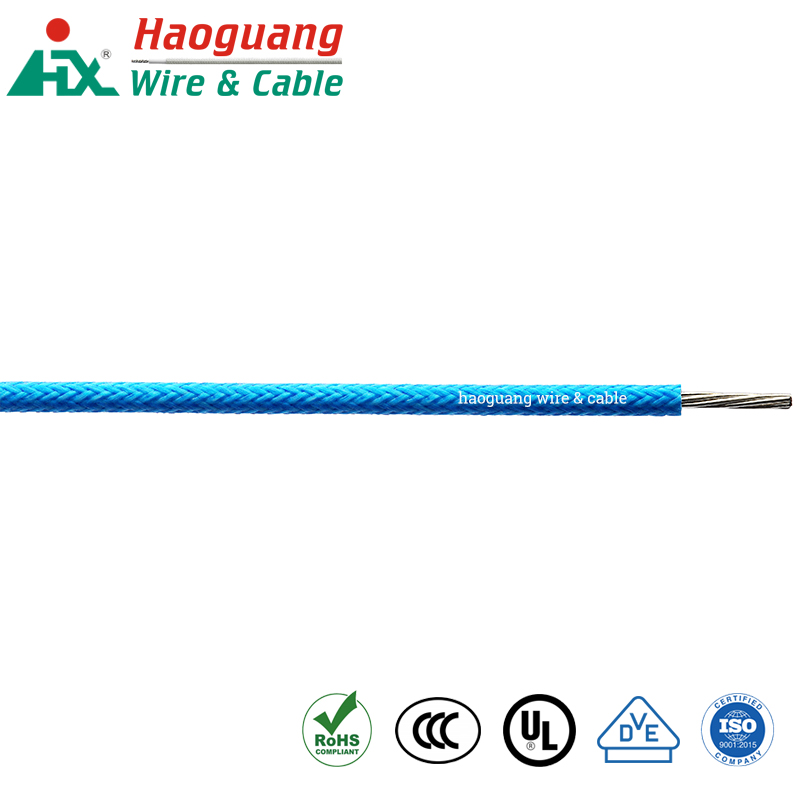
The Braided Rubber Single Core Cable has emerged as a highly reliable solution for demanding applications due to its enhanced mechanical protection, heat resistance, flexibility, and electrical stability.
This article provides an in-depth exploration of its structure, advantages, real-world applications, installation considerations, and purchasing guidance. It is designed to help engineers, procurement specialists, and project managers understand how this cable solves critical operational pain points such as abrasion damage, overheating risks, and short service life in harsh environments.
1. Introduction to Braided Rubber Single Core Cable
Electrical infrastructure today must operate under increasingly harsh conditions—high temperatures, constant vibration, mechanical stress, and exposure to oil, chemicals, or outdoor weathering. Traditional PVC cables often fail to meet these requirements over long periods.
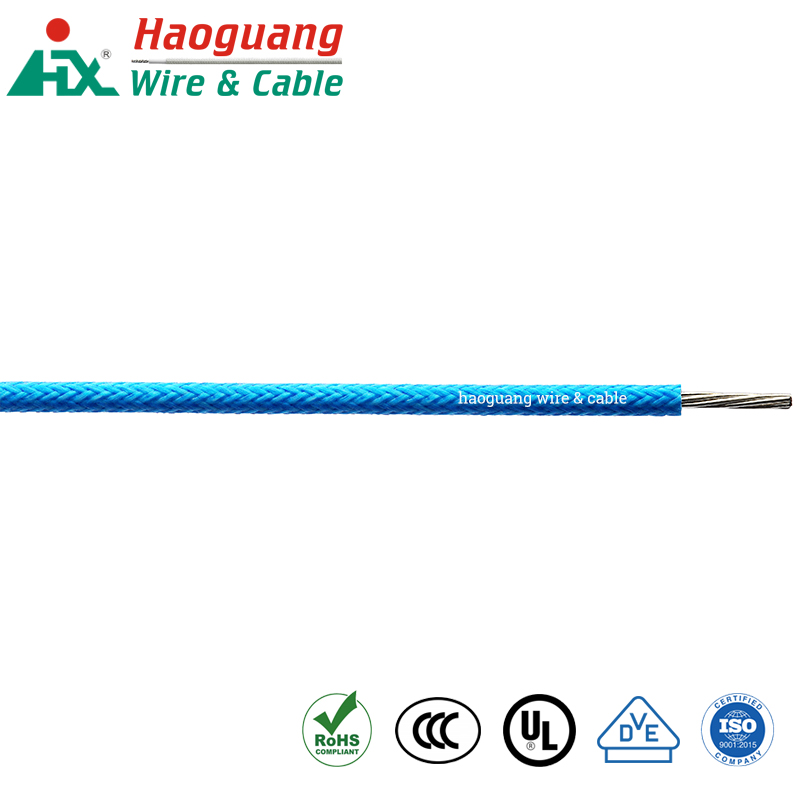
The Braided Rubber Single Core Cable is specifically engineered to overcome these limitations. It combines a flexible rubber insulation layer with an external braided reinforcement, typically made from tinned copper or textile fibers, to provide additional mechanical strength and durability.
This unique combination makes it suitable for heavy-duty applications where safety and reliability cannot be compromised.
2. Structure and Material Composition
The performance of any cable is heavily determined by its internal structure. The braided rubber single core cable consists of three main layers:
-
Conductor Core: High-purity copper ensures excellent conductivity and minimal energy loss.
-
Rubber Insulation Layer: Provides flexibility, heat resistance, and electrical insulation.
-
Braided Outer Layer: Acts as a protective shield against abrasion, mechanical impact, and electromagnetic interference.
This layered structure is what distinguishes it from conventional single-core cables and gives it superior resilience in industrial environments.
3. Key Performance Features
-
High thermal resistance suitable for high-temperature environments
-
Excellent flexibility for dynamic installations
-
Strong resistance to mechanical wear and abrasion
-
Enhanced electrical safety and insulation stability
-
Long operational lifespan even under continuous load
-
Reduced electromagnetic interference due to braided shielding
These features make it a preferred choice in industries where equipment downtime can result in significant financial losses.
4. Industrial Applications
The braided rubber single core cable is widely used across multiple sectors:
-
Heavy machinery and manufacturing equipment
-
Automotive and transportation systems
-
Construction machinery and cranes
-
Power distribution systems
-
Marine and offshore installations
-
Mining and tunneling operations
In all these environments, durability and safety are non-negotiable requirements.
5. Advantages Over Traditional Cables
|
Feature
|
Braided Rubber Single Core Cable
|
PVC Cable
|
|
Flexibility
|
High
|
Medium
|
|
Heat Resistance
|
Excellent
|
Moderate
|
|
Mechanical Protection
|
Strong braided shield
|
Limited
|
|
Service Life
|
Long
|
Short to medium
|
|
Industrial Suitability
|
High-demand environments
|
General use
|
Compared to standard PVC cables, the braided rubber version significantly reduces failure rates in demanding environments.
6. Problems It Solves in Real-World Applications
-
Cable cracking under low-temperature or high-heat conditions
-
Frequent abrasion damage in moving machinery
-
Electrical leakage due to insulation degradation
-
Downtime caused by cable failure
-
High maintenance and replacement costs
By addressing these issues, the cable helps industries improve operational efficiency and reduce unexpected disruptions.
7. Installation Guidelines
Proper installation is critical to ensure maximum performance and lifespan. Recommended practices include:
-
Avoid sharp bending during installation
-
Use proper cable trays or protective conduits
-
Ensure correct load rating before connection
-
Prevent exposure to direct mechanical pressure points
-
Maintain proper grounding in industrial systems
Improper installation can reduce performance even in high-quality cables.
8. Maintenance and Lifespan Optimization
While braided rubber single core cables are designed for durability, routine inspection improves longevity.
-
Inspect for external wear and tear every 3–6 months
-
Check for insulation hardening or cracks
-
Ensure connectors remain tight and corrosion-free
-
Monitor temperature exposure in high-load systems
9. Comparison with Other Cable Types
When compared to silicone cables, PVC cables, and standard rubber cables, braided rubber single core cables offer a balanced combination of strength and flexibility.
-
Better abrasion resistance than silicone cables
-
Higher heat tolerance than PVC cables
-
More flexible than armored industrial cables
10. Buying Considerations
When selecting the right cable, consider the following:
-
Operating voltage and current requirements
-
Environmental exposure (heat, oil, chemicals)
-
Flexibility needs for dynamic systems
-
Certification and compliance standards
-
Manufacturer reliability and technical support
Choosing the correct specification ensures both safety and cost efficiency in the long run.
11. Safety and Compliance Standards
High-quality braided rubber single core cables typically comply with international electrical safety standards such as IEC and ISO guidelines. These standards ensure:
-
Stable insulation resistance
-
Fire resistance under overload conditions
-
Consistent conductor performance
-
Safe operation under industrial stress
12. Frequently Asked Questions
Q1: Is braided rubber single core cable suitable for outdoor use?
Yes, its rubber insulation and braided protection make it highly resistant to weather conditions.
Q2: Can it handle high-temperature environments?
It is designed to operate efficiently in elevated temperature conditions compared to standard PVC cables.
Q3: What industries benefit most from this cable?
Manufacturing, construction, mining, automotive, and marine industries benefit significantly.
Q4: Does it require special installation tools?
No special tools are required, but proper handling techniques are essential.
13. Conclusion
The Braided Rubber Single Core Cable represents a significant advancement in industrial wiring technology. Its combination of flexibility, durability, and protection makes it an ideal solution for demanding environments where traditional cables often fail.
Whether used in heavy machinery, energy systems, or transportation infrastructure, it delivers consistent performance and long-term reliability, helping businesses reduce downtime and maintenance costs.
For customized cable solutions and professional consultation, you can reach out to Xiangshan Haoguang Electric Wire & Cable Co.,Ltd.
If you are looking for high-quality braided rubber single core cable solutions tailored to your industrial needs, feel free to contact us for more technical support and product information. Our engineering team is ready to assist you with reliable and efficient cable solutions.