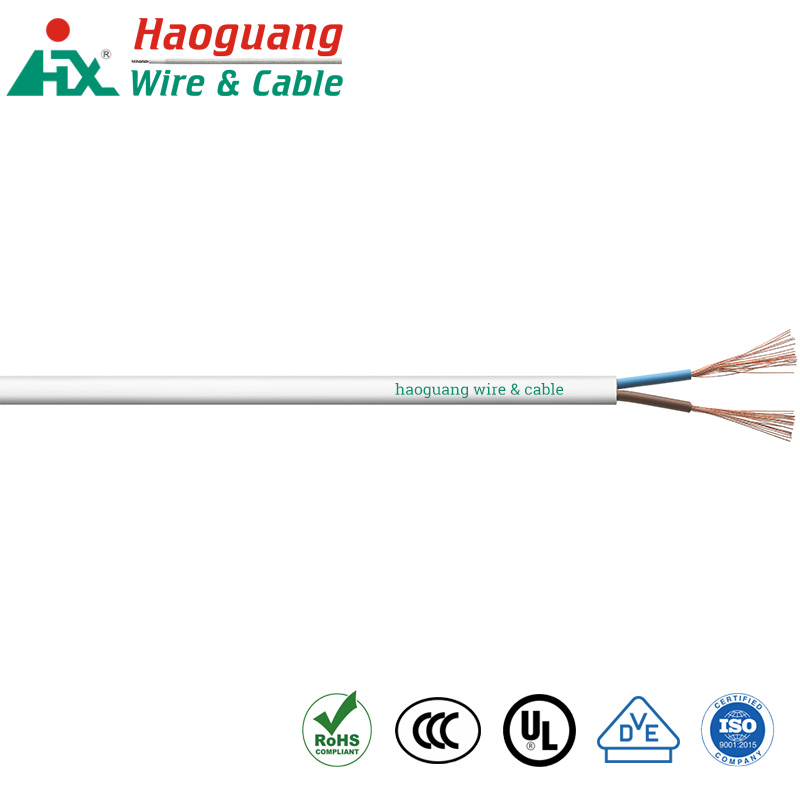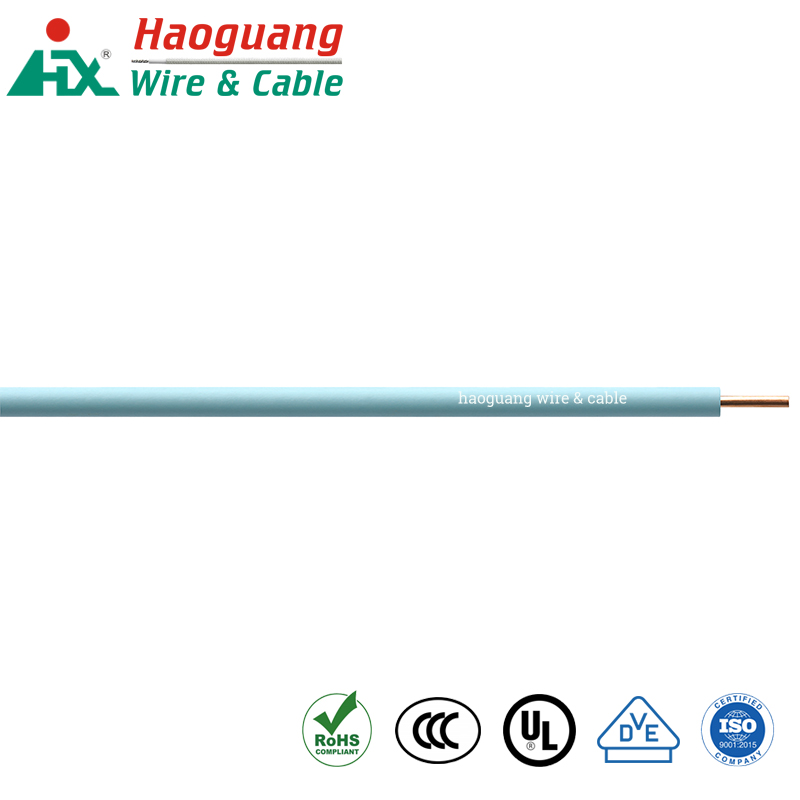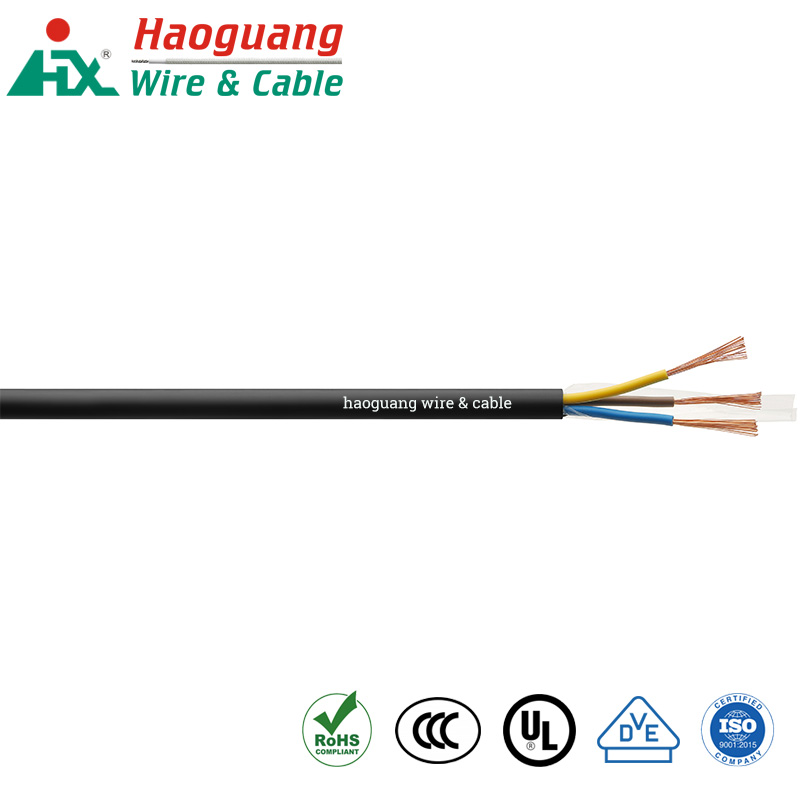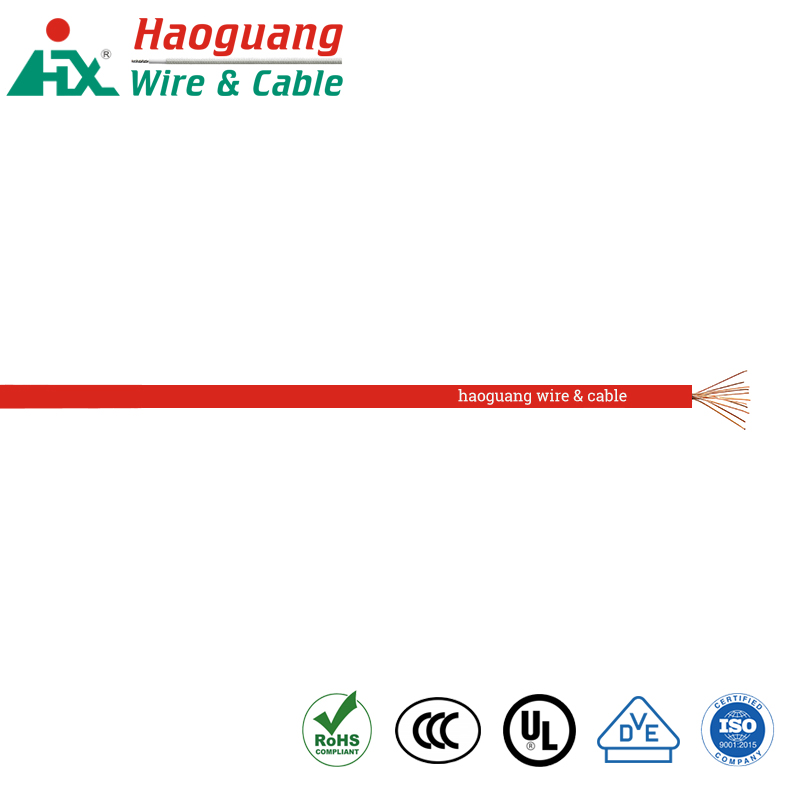
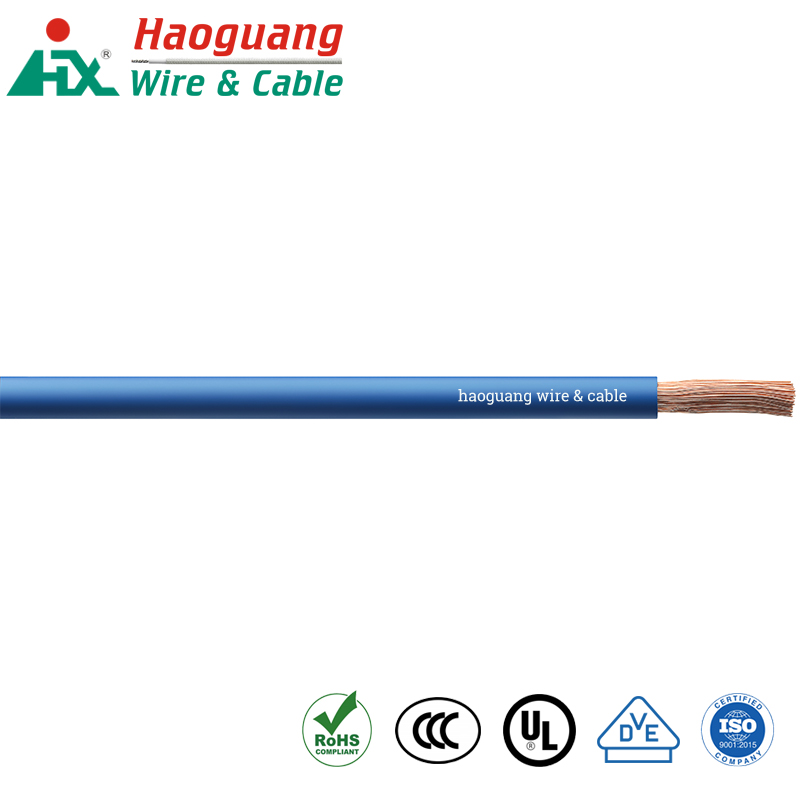
Factory‑floor issues rarely stem from complete specification failure. Most troubles come from narrow tolerance drift. Some batches feature copper strands with inconsistent compactness, which creates trouble for automatic wire‑stripping machines. Operators end up dealing with nicked conductors or incomplete insulation removal, slowing production throughput and raising scrap rates. PVC compound formulation shifts also happen; small changes in plasticizer content modify hardness and bending behaviour, even if core voltage‑rating parameters remain unchanged. Projects built around automated harness processing suffer the most from these minor variations.
Valid VDE or EN harmonized certificates confirm a product design passes type‑testing, yet they do not guarantee every produced reel replicates those lab results. Importers frequently encounter suppliers supplying generic certification files that cover a broad product family, without explicit mapping to the exact cross‑section sizes and conductor classes ordered. Without batch‑specific test records, buyers possess no proof that the delivered goods satisfy conductor resistance, insulation dimension and marking requirements for that particular shipment. This gap becomes critical for goods imported into European markets, where customs and end‑customer audits demand traceable documentation matching delivered goods.
Inconsistent PVC composition accelerates plasticizer migration over operating cycles. Cabinets running sustained thermal loads will see poorly formulated insulation turn brittle years ahead of expected service life, raising possibilities of micro‑cracks around terminal bends. These defects often remain invisible during incoming inspection, emerging only after months of field operation, triggering expensive warranty callbacks for OEM manufacturers. Stable batch control directly lowers long‑term after‑sales burden for electrical equipment exporters.
Selecting harmonized PVC hook‑up wire extends beyond matching catalog parameters. Reliable sourcing combines valid certification, stable manufacturing process control, sample‑verified assembly compatibility and traceable per‑batch documentation. Buyers who integrate these steps reduce unplanned production halts, compliance headaches and unexpected field‑failure liabilities for their finished electrical products.